New Study Shows: Hamburg Can Become a Key Hub for Carbon Management
A recent study by DMT Energy Engineers and TÜV NORD EnSys on the development of a climate-neutral carbon economy in Hamburg makes one thing clear: carbon management will be a central building block for the industrial transformation of the metropolitan region.
For the first time, the study provides a comprehensive analysis of CO2 potentials, infrastructure requirements, and stakeholder structures along a future CCUS value chain. In total, the authors identify a capture potential of around 1.5 million tonnes of CO2 per year from unavoidable point sources in Hamburg—more than half of which originate from biogenic sources. The largest potentials are found in the waste management sector and the metals industry.
In addition, a further approximately three million tonnes of hard-to-abate CO2 emissions arise in the metropolitan region’s industrial environment, for example in refineries, metal production, and the cement industry. These volumes highlight the crucial importance of a functioning carbon management system for successful industrial decarbonisation.
According to the study authors, capturing unavoidable emissions could reduce Hamburg’s industrial CO2 emissions by up to 19 percent. At the same time, it becomes clear that establishing a CO2 value chain will require significant infrastructure investments—particularly in transport, intermediate storage, and processing of CO2.
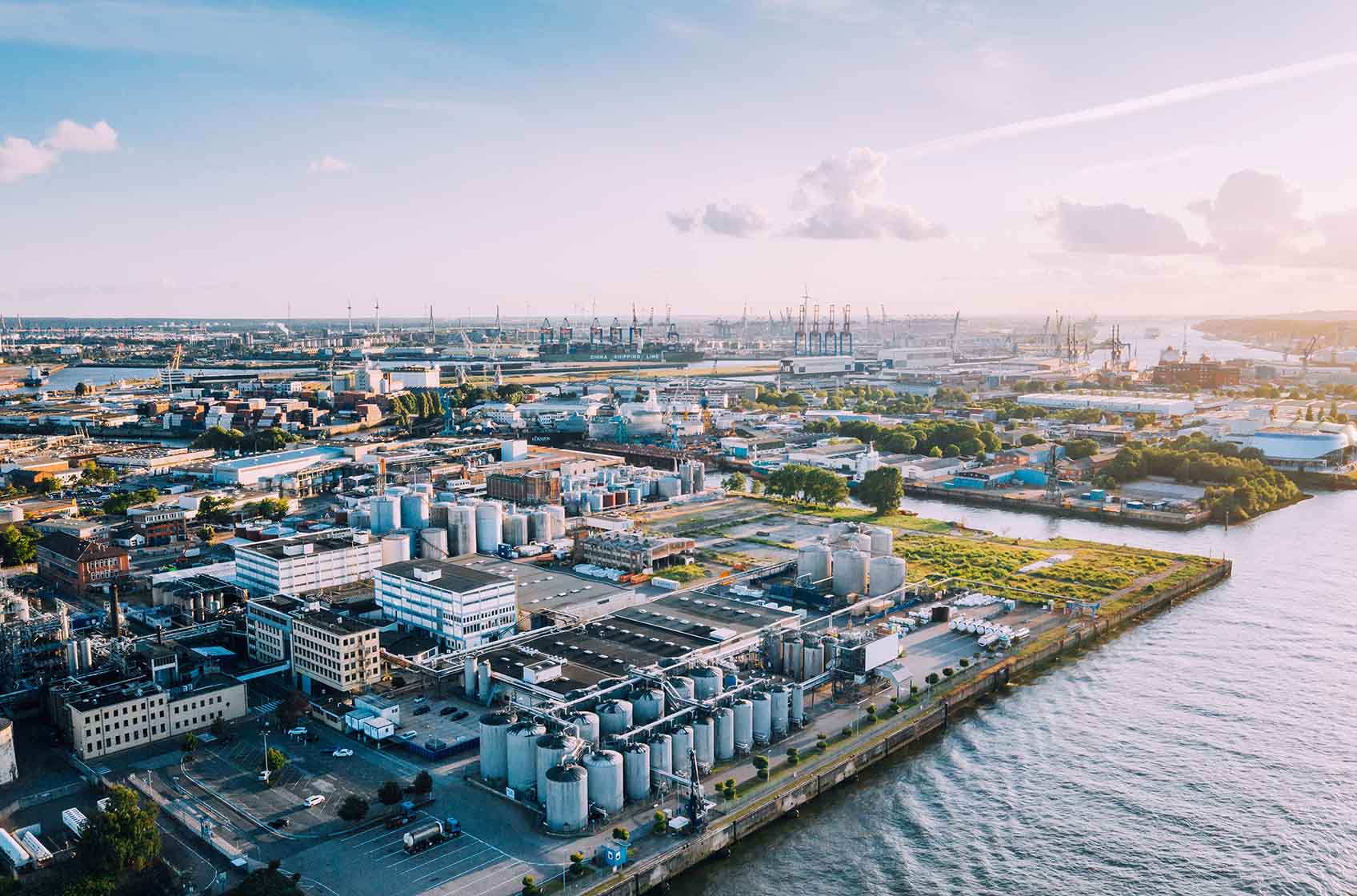
Potential transport options include pipelines, rail, road, and waterways. The port, in particular, could play a central role as a logistical hub for CO2 flows.
The study also highlights existing challenges: companies currently see a lack of infrastructure, economic uncertainties, and an insufficient regulatory framework as the main barriers to investing in carbon management technologies.
The authors therefore recommend a clear political commitment to building a regional carbon management system, as well as the establishment of a coordination body that brings together industry, infrastructure operators, and policymakers.
The study confirms that enabling industrial decarbonisation requires a functioning market for carbon management, reliable regulatory frameworks, and the rapid development of CO2 transport infrastructure.
The fact that TÜV NORD, as a member of the DCMI, played a key role in the study also underscores the initiative’s importance as a platform for industry, infrastructure operators, and technology providers in building a CO2 value chain in Germany.
Source: https://suche.transparenz.hamburg.de/dataset/studie-carbon-management-in-der-freien-und-hansestadt-hamburg-wege-zu-einer-nachhaltigen-und-kl